Rotomoulding, also known as rotational molding, is a manufacturing process used to produce hollow plastic products with uniform wall thickness and excellent structural strength. This process is widely used across industries due to its flexibility, low waste generation, and ability to create complex shapes without high-pressure molding.
This beginner-friendly guide explains what rotomoulding is, how it works, the machines involved, key components, and modern advancements in the rotomoulding industry.
What Is Rotomoulding?
Rotomoulding is a low-pressure plastic molding process where powdered plastic material is placed inside a hollow mold. The mold is then heated and rotated simultaneously around two perpendicular axes. As the material melts, it coats the interior surface of the mold evenly, forming a hollow product once cooled.
Unlike injection or blow molding, rotomoulding does not use high pressure, which reduces internal stress and improves product durability.
How the Rotomoulding Process Works
The rotomoulding process typically involves four main stages:
Charging the Mold
Measured plastic powder (usually polyethylene) is loaded into the mold.
Heating & Rotation
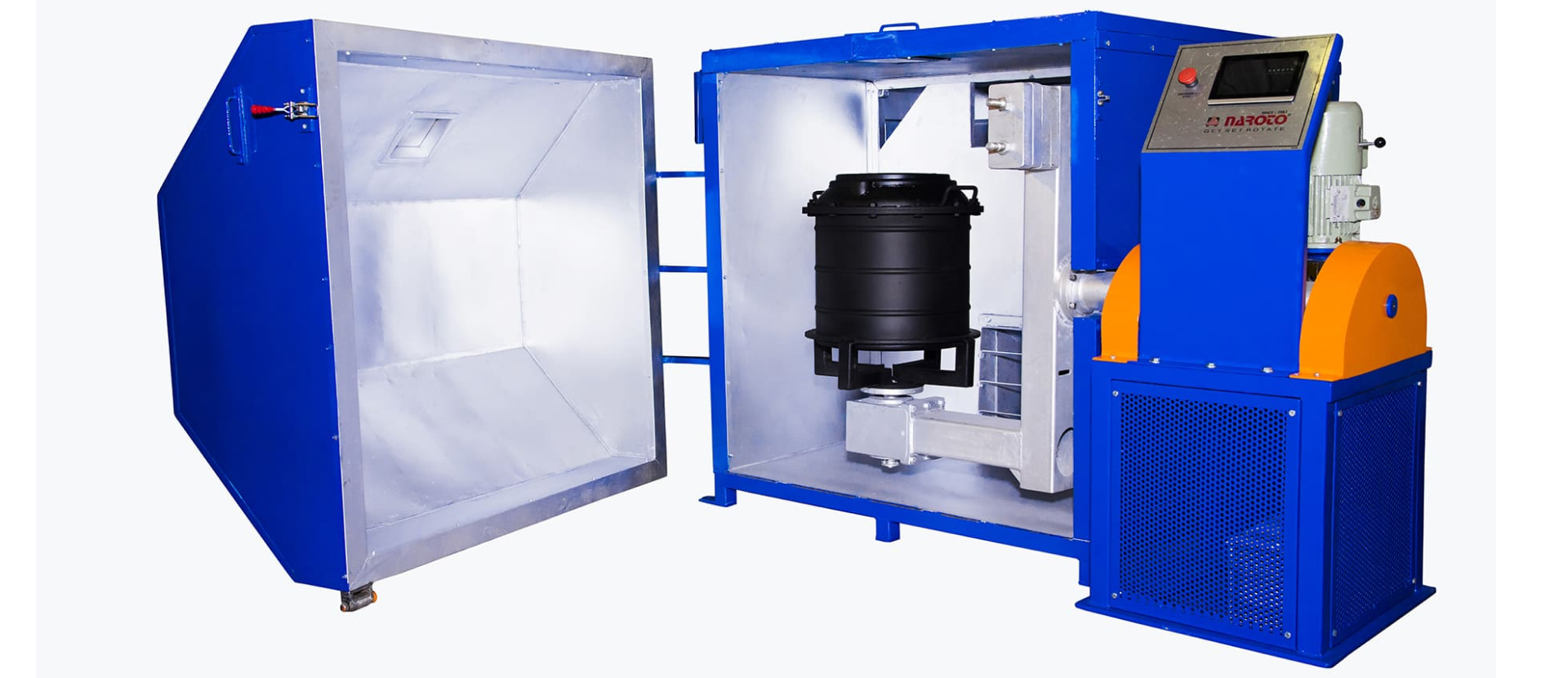
The mold is heated inside an oven while rotating on bi-axial movement. This ensures even material distribution.
Cooling
The mold is cooled using air, water spray, or a combination of both, allowing the plastic to solidify.
Unloading
The finished hollow product is removed from the mold.
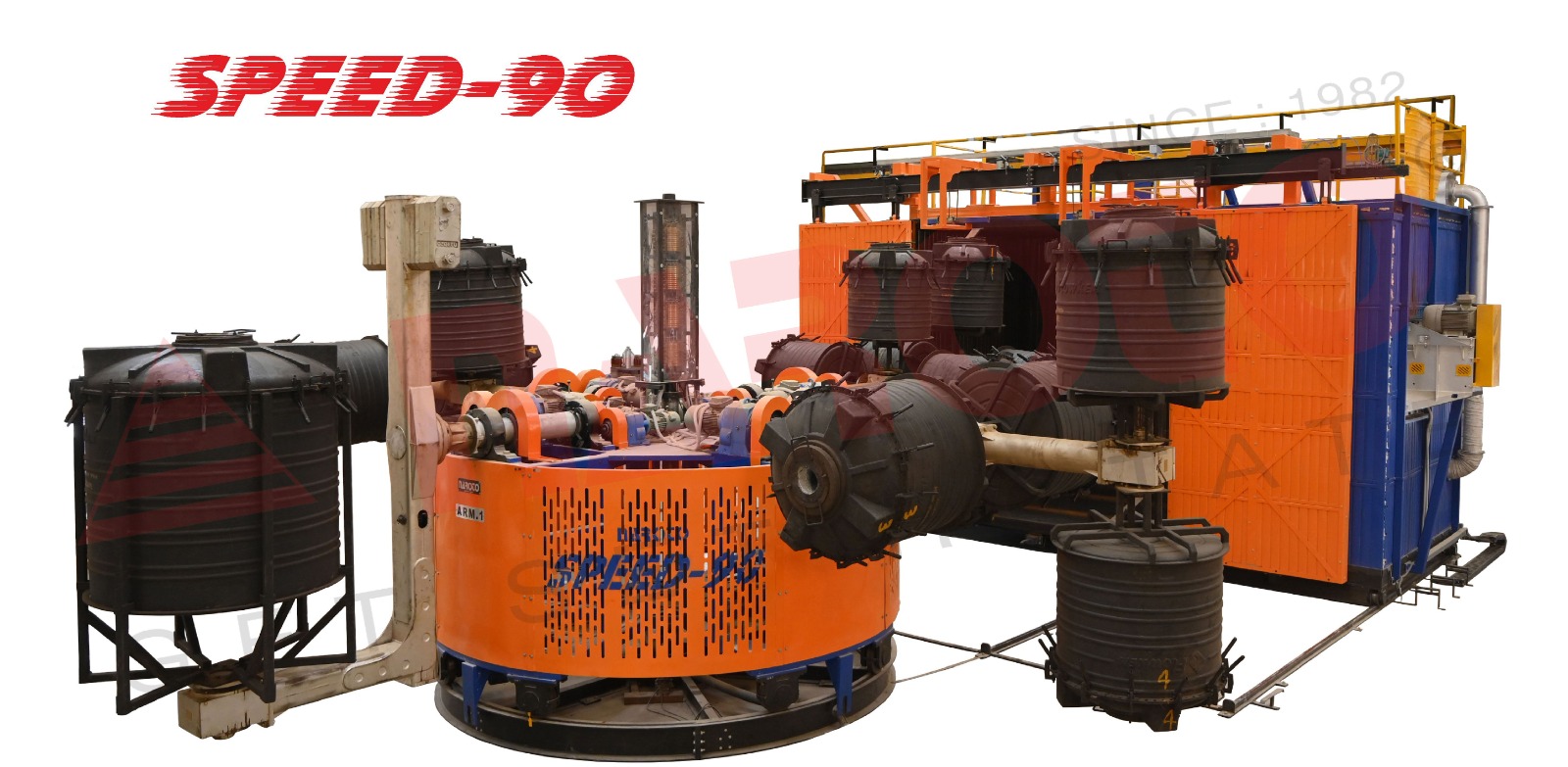
Key Components of a Rotomoulding Machine
1. Mold Carrier
Holds the mold and enables rotation on two axes (horizontal and vertical) for uniform coating.
2. Heating System
Melts the plastic powder using convection, radiant heat, or a combination of both.
3. Cooling System
Solidifies the plastic using air cooling, water cooling, or mixed cooling techniques.
4. Control System
Manages temperature, rotation speed, and cycle time. Modern machines use PLC or computerized systems.
5. Loading & Unloading System
Facilitates easy material loading and finished product removal. Automation improves efficiency.
6. Drive System
Provides rotational movement through electric, hydraulic, or hybrid mechanisms.
7. Powder Dispensing System
Ensures accurate measurement and feeding of plastic powder into the mold.
8. Safety Features
Includes emergency stops, interlocks, and sensors for operator safety.
9. Venting System
Allows gases to escape during heating, preventing bubbles and surface defects.
10. Automation & Robotics
Advanced machines use robotic arms for mold handling and process automation.
Advanced Rotomoulding Technologies
Automated Rotomoulding Machines
Improve productivity, reduce labor costs, and ensure consistent product quality.
Multi-Layer Rotomoulding
Uses multiple material layers to enhance UV resistance, strength, or barrier properties.
Foam-Filled Rotomoulding
Produces lightweight products with excellent insulation, ideal for tanks and containers.
In-Mold Graphics (IMG)
Applies logos, textures, or graphics directly during molding—no painting required.
Insert Molding
Allows metal or plastic inserts (threads, reinforcements) to be molded into the product.
Advanced Materials
New rotomoulding-grade polymers offer better strength, chemical resistance, and fire retardancy.
Real-Time Monitoring
Sensors provide live data for better process control and improved quality consistency.
3D Printing for Prototyping
Used to test designs before investing in full-scale tooling.
Custom Mold Technologies
CAD and CAM tools enable precise, complex mold designs with high efficiency.
Environmental Sustainability
Rotomoulding generates minimal waste and supports recycled materials and eco-friendly additives.
Applications of Rotomoulding
Rotomoulding is used to manufacture:
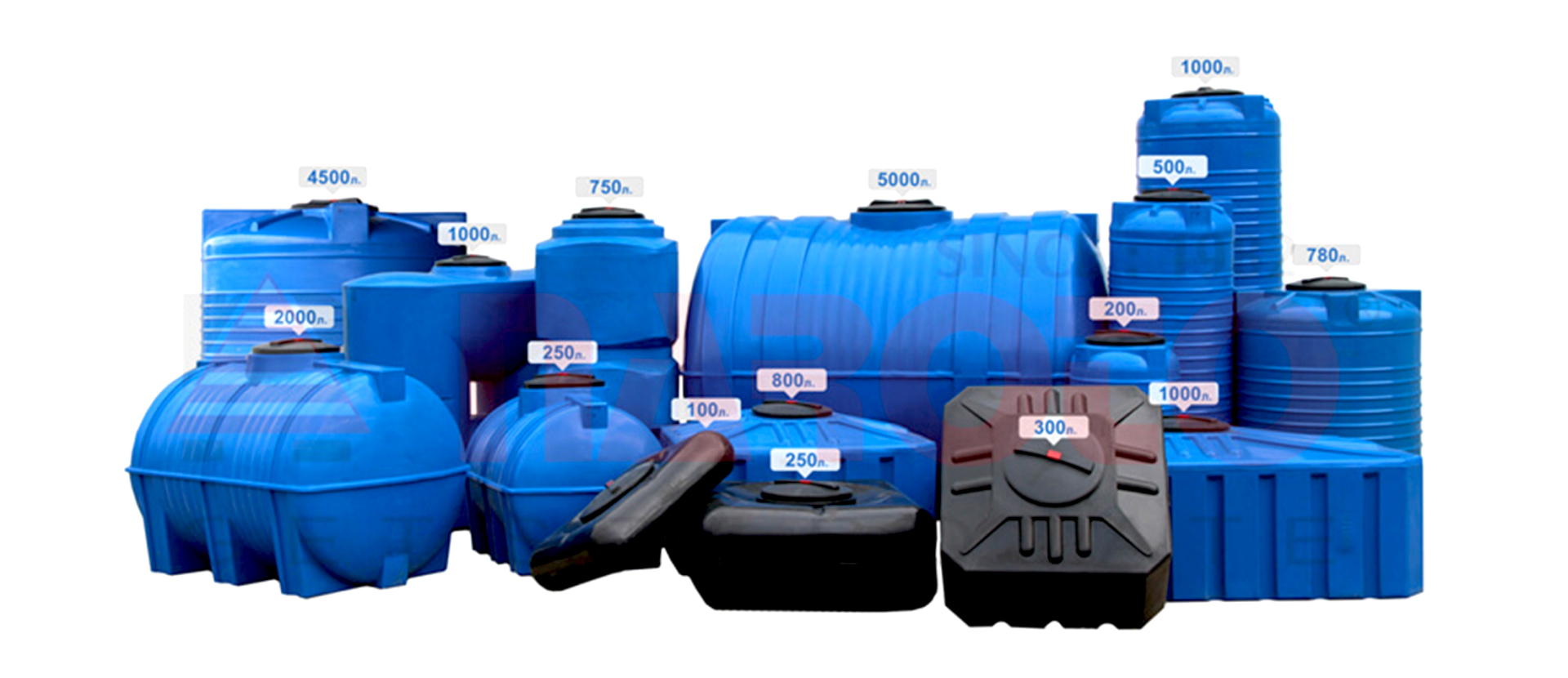
- Water and chemical storage tanks
- Industrial containers
- Automotive components
- Playground equipment
- Furniture
- Agricultural products
- Medical and safety equipment
Why Choose Rotomoulding?
- Uniform wall thickness
- Stress-free, durable products
- Low tooling cost
- Minimal material waste
- High design flexibility
Conclusion
Rotomoulding is a versatile, efficient, and sustainable manufacturing process suitable for producing high-quality hollow plastic products. With continuous advancements in automation, materials, and mold technology, rotomoulding continues to expand across industries.
For beginners, understanding the basics of rotomoulding opens the door to a manufacturing method that balances cost, quality, and design freedom.